

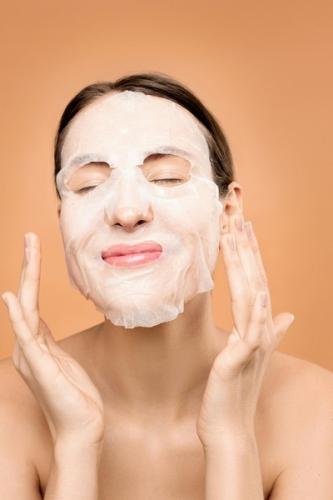
Clay mask or gel mask: Which is best for my skin?
In the world of skincare, face masks have become one of the most important tools for maintaining healthy, radiant skin. Whether you're looking for deep hydration, pore cleansing, or to remove excess oil, face masks offer a quick and effective solution. There are many types of face masks available, but clay and gel masks stand out as two key options due to their diverse benefits and ability to address different skin needs. In this article, we'll take you on a comprehensive tour to understand the differences between them, their benefits, how to choose the most suitable one for your skin, and provide up-to-date tips for achieving the best results.
Clay masks: their benefits and types
Clay masks are among the oldest methods used for skincare, having been used since ancient times to cleanse the skin and remove impurities. These masks are made from various types of natural clay rich in minerals such as silica, magnesium, and calcium, giving them unique therapeutic properties. Some of the most prominent benefits of clay masks include:
Deep cleansing: It works to absorb excess oils and impurities from pores, helping to reduce the appearance of blackheads and pimples.
Exfoliating the skin : It helps remove dead skin cells, giving the skin a smooth and radiant appearance.
Improving blood circulation : When the mask is applied, blood flow in the skin is stimulated, which contributes to cell regeneration.
Treating inflammation: It contains anti-inflammatory properties that help soothe irritated skin.
As for the types of clay masks, there is a variety to suit different skin needs:
Kaolin clay : Light and suitable for sensitive skin, it is used for gentle exfoliation and light hydration. A prime example is MIGUHARA Refining Pore Clear Pack 150ml.
Bentonite clay : strong in absorption, ideal for oily skin because it effectively removes excess oils.
French green clay : rich in minerals, used to treat acne and for combination skin.
Moroccan Rasoul clay : It moisturizes and cleanses at the same time, ideal for dry and normal skin.
Skin needs and types of clay masks
Every skin type has its own specific needs, and choosing the right clay mask depends on your skin type. If you have oily or combination skin, French green clay or bentonite clay are best suited for absorbing excess oil and deeply cleansing pores. If your skin is dry or sensitive, white kaolin or pink clay would be ideal as they are less harsh and provide light hydration. Normal skin can benefit from most types of clay, but rasoul clay is a versatile option due to its balance of cleansing and moisturizing.
Methods of using clay masks
Using clay masks is simple, but there are steps to ensure you get the best result:
Cleansing the skin : Wash your face thoroughly using a gentle cleanser to remove dirt and makeup.
Preparing the mask : If the mask is ready, apply it directly. If it is powdered, mix it with water or rose water until it becomes a smooth paste.
Application : Use a brush or your fingers to apply an even layer to the face, avoiding the eye and mouth area.
Waiting : Leave the mask on for 10-15 minutes or until it starts to dry, but don't leave it on until it cracks too much as that may dry out the skin excessively.
Rinse : Wash your face with lukewarm water using gentle circular motions, then dry it with a soft towel.
Moisturizing : Apply a suitable moisturizer to your skin after the mask to keep it soft.
Gel masks: their benefits and types
Gel masks are a relatively new option compared to clay masks, and they are characterized by their light and refreshing texture, suitable for all skin types, especially dry and sensitive skin. Gel masks are often made with ingredients such as aloe vera, hyaluronic acid, and vitamins, making them moisturizing and soothing. Among their most prominent benefits are:
Deep hydration: It works to provide the skin with moisture, making it ideal for dry or stressed skin.
Soothing the skin : Helps reduce redness and irritation, especially after sun exposure.
Improved elasticity : Contains ingredients such as collagen that enhance skin elasticity and give it a firmer appearance.
Instant refreshment : It gives the skin a feeling of freshness and vitality thanks to its cool texture.
Gel masks come in various types depending on skin needs , and include:
Moisturizing gel : Contains hyaluronic acid and is suitable for dry skin.
Soothing gel: such as aloe vera masks, ideal for sensitive skin.
Anti-aging gel : Contains collagen or retinol to reduce wrinkles.
Refreshing gel : Contains mint or green tea extracts to refresh dull skin.
Skin needs and types of gel masks
Dry skin will find hydrating gel masks the perfect solution for restoring moisture, while sensitive skin will benefit from soothing gel masks containing aloe vera or chamomile. If you're looking for a solution to wrinkles or loss of elasticity, anti-aging gel masks are the ideal choice. Dull or stressed skin will benefit from a refreshing gel to restore its radiance.
How to use gel masks
Gel masks are easy to use, and here are the basic steps:
Facial cleansing : Wash your face with a gentle cleanser to remove dirt.
Application : Apply the mask directly if it is ready-made, or use a thick layer if it is a liquid gel.
Waiting : Leave the mask on for 15-20 minutes, or as per the instructions on the package.
Rinsing and wiping : Some masks need to be rinsed off, others are wiped off with a damp cotton ball or left to be absorbed.
Moisturizing : Apply a light moisturizer if needed, but often this is not necessary as the gel is moisturizing in nature.
Summary with tips for the woman who will be using the mask
Ultimately, both clay and gel masks are fantastic, but the choice depends on your skin's needs. If you're dealing with excess oil or clogged pores, clay masks are best for a deep cleanse. If you need hydration and a refreshing boost, gel masks are the ideal solution. Here are some modern tips:
Do not overuse masks , once or twice a week is enough.
Try multiple masks : Use a clay mask for the oily area (such as the nose) and a moisturizing gel for the rest of the face.
Use natural products as much as possible to avoid allergies.
Make sure to drink plenty of water to enhance the effect of the masks on your skin.
Choosing the right face mask is a step towards radiant and healthy skin, so start today and treat yourself to moments of care and beauty!